
Reviewed · GRAN CANARIA THEME PARKS & ATTRACTION TICKETS
Guided tour of the Banana World
Gran Canaria’s banana country makes more sense once you see the plants up close. This short tour takes you through a farm near Arucas, then into a carefully restored Canarian house from 1804, now used as an interpretation center and shop. The best surprise is the tasting: banana wines, jams, sauces, and small snacks made with island produce.
I like the way the tour turns an everyday fruit into a local story, and I like the friendly guides, including Dani, Maria, John, Fatima, Ismael, Ion, Steven, and JC, who have been praised for clear English and a good sense of humor. The main thing to consider is group size. The maximum is 40 people, and a full group can make it hard to hear or see the guide.
In This Review
- Key points to know before you book
- A banana farm with a story to tell
- What you see among the banana plants
- Inside the 1804 Canarian house
- The tasting is more than a token sample
- How long the visit really takes
- Group size can change the experience
- Getting to Cam. del Laurel in Arucas
- Is $18.14 a fair price?
- Who will enjoy Banana World most?
- Booking, weather, and cancellation details
- Should you book the Banana World tour?
- FAQ
- Where does the Banana World tour start?
- How long does the tour last?
- Is the tour offered in English?
- What is included in the price?
- Is coffee or tea included?
- Can I reach the plantation by public transportation?
- How large can the group be?
- What is the cancellation policy?
Key points to know before you book
- Banana farming up close: Learn how bananas are planted, grown, protected, and harvested on a real farm.
- A restored 1804 house: The old Canarian home gives the visit a sense of place beyond a simple farm walk.
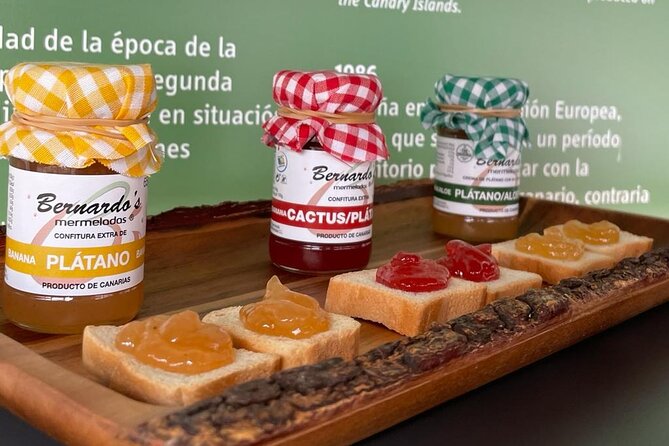
- Tasting included: Try banana-based wines, banana jam, banana with cactus, and banana with aloe vera.
- Short and easy to fit in: Allow about 50 minutes to one hour, plus extra time for the shop and grounds.
- Best reached by car: Parking is included, while public transport requires a bus and a 10 to 15 minute walk.
- Check in at the shop: Go to the entrance or shop at Cam. del Laurel rather than waiting at the map pin or outside for a guide.
A banana farm with a story to tell
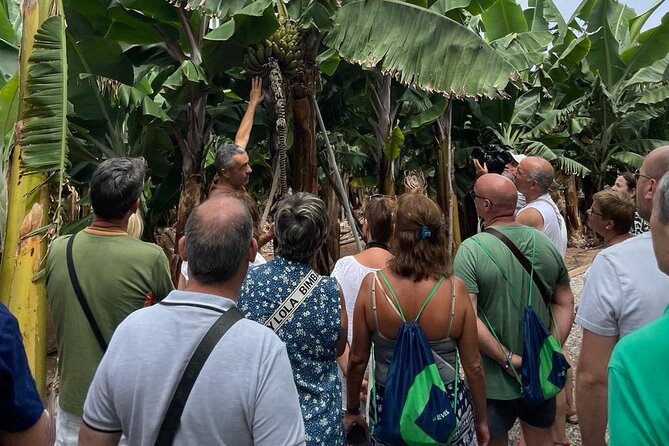
The tour begins at Trasmontaña, in the Arucas area of Gran Canaria. This is not a large agricultural attraction with a long route. It is a compact visit built around a working banana farm, an old house, a guide-led explanation, and a tasting.
That compact format is part of the appeal. You do not need half a day to fit it into your plans, and you will not spend hours walking in the heat. In roughly 45 minutes to an hour, you get a useful introduction to banana cultivation and a look at products made in the Canary Islands.
The farm setting also helps you understand something that a shop display cannot. Bananas are not simply fruit hanging from a tree. The guide explains the plants and the work involved in growing them, with time for questions. Guides such as John, Ion, Maria, and Steven have been praised for making the subject lively rather than turning it into a dry lesson.
More Gran Canaria park tickets:
- Maspalomas: Palmitos Park Ticket with Dolphin and Bird Shows
★ 4.8 · 1,507 reviews - Maspalomas: Aqualand Maspalomas Water Park Entry Ticket
★ 4.2 · 1,311 reviews - Holiday World Maspalomas Wooland Ticket
★ 4.0 · 407 reviews
What you see among the banana plants
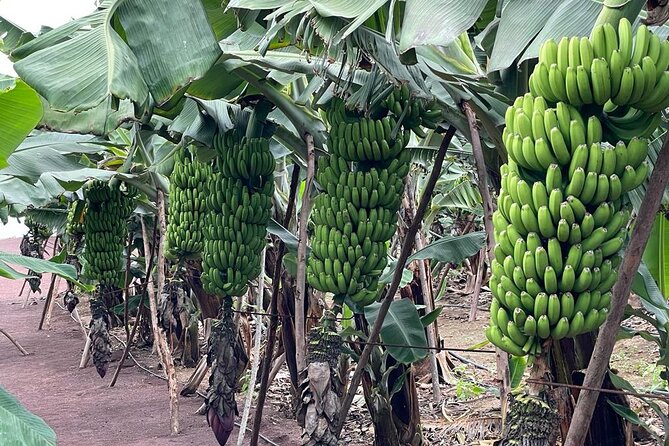
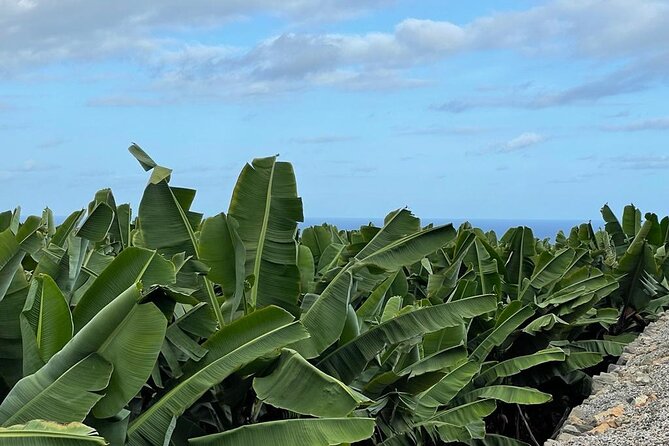
The farm walk covers a small portion of the plantation with the guide. You learn about banana plants, how they grow, and the conditions needed to produce fruit in the Canary Islands.
The exact route and presentation can vary with the guide and the group, but the visit is focused on cultivation rather than a long hike. That makes it suitable for families and for anyone who wants a taste of rural Gran Canaria without committing to a full agricultural day.
I would pay attention to the details that are easy to miss in a supermarket banana. The guide may explain the plant’s growth, the different varieties, and the practical work behind the crop. You also have room to ask questions, which is useful if you are curious about the difference between varieties or how banana farming works on the islands.
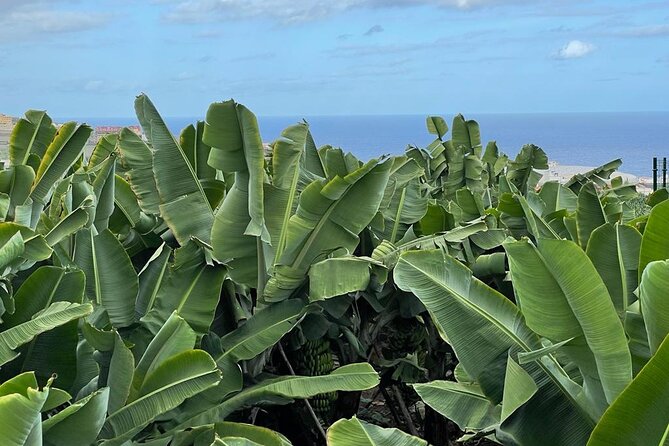
The grounds offer attractive views, and you can spend additional time exploring after the guided portion. One family found the visit worked well with a three-year-old, while another family said a nine-year-old received special attention. That does not mean every child will be equally engaged, but the hands-on farm setting gives younger children something real to look at.
Inside the 1804 Canarian house
The restored house is the cultural heart of the visit. Dating from 1804, it has been repaired in keeping with its original architecture and now contains an interpretation center.
This section adds useful context to the farm. You are not only hearing how bananas are grown. You are also entering an older Canarian building connected to local life and island production. Several people felt the indoor center was new, clear, and informative.
The house also contains the shop, so the experience naturally ends with local products rather than a hard stop at the farm gate. You can browse banana jams, banana wine, liqueurs, sauces, cosmetics, and other items made with bananas or island ingredients.
One fair criticism is that the presentation could include more about the longer story of banana cultivation in the Canary Islands. The farming explanation is the main focus, while the historical background may feel lighter than some people expect.
The tasting is more than a token sample
The tasting is one of the strongest parts of the visit. Included samples can include several kinds of banana-based wine, banana jam, banana with cactus, and banana with aloe vera. Small montaditos are served with some of these products.
The range matters because it shows how the fruit is used beyond the familiar smoothie or dessert. Banana wine gives you a distinctly local product to try, while the jams and savory combinations show a different side of the crop.
Banana jam is especially popular, and the shop gives you a chance to buy it afterward. You may also find banana liqueur, hand cream, other cosmetic products, and additional island-made goods.
A small practical point: if you see biscuits or samples set out before the tour, ask before taking them. The tasting is explained as part of the guided experience, and it may not be clear which items are available at which stage.
Coffee and tea are not included. Alcoholic drinks are included as tastings, so tell the guide if you do not want alcohol and focus on the food samples instead.
A few more Gran Canaria days out to weigh up
- Maspalomas: Guided Camel Ride in the Maspalomas Sand Dunes
★ 4.4 · 3,690 reviews - Gran Canaria Guided Buggy Tour
★ 4.7 · 1,743 reviews - Gran Canaria: Rural Villages Guided Sightseeing Tour
★ 4.6 · 544 reviews - Mogán: Guided Kayak to Caves and Snorkeling Tour
★ 4.6 · 329 reviews
How long the visit really takes
The advertised duration is about 50 minutes to one hour. Some tours have lasted closer to 40 or 45 minutes, while others run for the full hour. The difference may depend on questions, the group, and the guide.
Do not plan your next activity too tightly. You will want time to browse the shop and perhaps remain on the grounds after the formal tour. The plantation can be explored independently after the guided portion, according to the experience details.
The short length makes this a good add-on to a day in or around Arucas. It is also useful for a family schedule, since you get a complete experience without the fatigue of a long excursion.
The downside is simple: if you want a full working-farm visit with lots of walking, this may feel brief. The guided section covers only part of the plantation, and the focus is a clear introduction rather than an in-depth agricultural course.
Group size can change the experience
The official maximum is 40 people. That is a reasonable limit for a small attraction, but it is large for an outdoor explanation where everyone needs to see the plants and hear the guide.
In a smaller group, the format should feel personal. You can ask questions, stay close to the guide, and see what is being discussed. With a full group, the guide may need to repeat information, and people at the back can struggle to follow.
This is the biggest reason I would avoid booking it if you dislike organized groups. It is also worth arriving early and moving into a good position when the group gathers. Guides have generally been praised for warmth, humor, and strong English, but even a good guide cannot make a crowd of 40 feel tiny.
Getting to Cam. del Laurel in Arucas
The meeting address is given as Cam. del Laurel, 7, while the more precise building address is Cam. del Laurel, 10, in the 35413 Arucas area. This difference has caused confusion, so I would go directly to the entrance or shop and check in there.
Do not wait outside for someone to collect you, and do not rely only on the map pin supplied with your booking. Go inside the shop and register. This simple step can save you from arriving early and still nearly missing the start.
Driving is the easiest option. Parking fees are included, which improves the value and removes one common worry at a small rural attraction.
Public transport is possible, but it takes planning. From Las Palmas, the blue Global 210 bus toward Arucas can take you to El Lomito. From there, allow a 10 to 15 minute walk to Cam. del Laurel. The roads near the plantation may not feel ideal for walking, so comfortable shoes are sensible.
From the cruise port, you can walk about a mile to the 210 stop at Ambulatorio de Alcaravanera and take the bus to El Lomito. Each bus ride is about 1.50 euros and can be paid by card or cash. A second option is to use Santa Catalina bus station, connect toward Mesa y López, then change to the 210.
Bus frequency matters. If you are visiting from a cruise ship, leave plenty of time for the return trip. One cruise visitor found the journey manageable but had little time to remain at the plantation after the tour because buses were not frequent.
Is $18.14 a fair price?
At $18.14 per person, this is good value if you want a short local experience with food and drink included. You get a guided farm visit, the restored house, banana-based wine tastings, snacks, and parking when arriving by car.
The price works best because the tasting is not an afterthought. You can try several products, then decide what is worth buying. A small bottle of liqueur or a jar of jam can also serve as a useful souvenir, especially if you want something tied to Gran Canaria rather than a generic gift-shop item.
Value depends on your expectations. If you see it as a one-hour introduction to banana farming, the price is easy to justify. If you expect a large museum, a long plantation walk, or a full historical presentation, it may feel limited.
The 99 percent recommendation rate and five-star average point to a very strong overall response, but I would still weigh the group issue and transport time. A long bus journey for a 45-minute tour is not a good trade for everyone. Near Las Palmas, or as part of a driving day in the north, it makes much more sense.
Who will enjoy Banana World most?
I would recommend this experience to families, curious food lovers, cruise passengers with enough time, and anyone who wants to see a less polished side of Gran Canaria.
Children can enjoy the plants, the tasting, and the novelty of seeing how bananas grow. Adults get the farming information, local products, and old house. The tour is also a pleasant choice for anyone who has seen banana plantations elsewhere but wants to compare Canarian cultivation and products.
You may want to skip it if you are looking for a major museum, extensive historical detail, or a quiet private visit. A full group can be noisy and crowded, and public transport takes longer than the tour itself.
The tour is offered in English and is described as suitable for most people. It is near public transportation, but that does not make the trip especially quick. Plan around the bus schedule, not just the start time.
Booking, weather, and cancellation details
You receive confirmation at booking, and the experience accepts mobile tickets. It is usually booked about eight days ahead, so reserving in advance is sensible if the timing matters to your itinerary.
You can cancel for a full refund up to 24 hours before the start time. Cancellations or changes made within 24 hours are not refunded or accepted. The tour also depends on good weather. If poor weather causes cancellation, you are offered another date or a full refund.
Should you book the Banana World tour?
Book it if you want a short, affordable look at Gran Canaria’s banana culture, especially if you are already visiting Arucas or have a car. The restored 1804 house, friendly English-speaking guides, and generous tasting give the experience more substance than a simple plantation photo stop.
I would be cautious if you are relying on buses from far away or if large groups bother you. Check in at the shop, use the Cam. del Laurel 10 address, and leave extra time for transport.
For most people, the combination of farm, local food, and a compact museum visit is worth $18.14. Just think of it as a lively introduction, not a full-day agricultural tour.
FAQ
Where does the Banana World tour start?
The tour starts at Cam. del Laurel in the Trasmontaña area of Arucas, Gran Canaria. The more precise building address provided is Cam. del Laurel, 10, 35413 Arucas.
How long does the tour last?
The experience lasts about 50 minutes to one hour. Some visits may finish in around 40 to 45 minutes, depending on the guide and group.
Is the tour offered in English?
Yes. The activity is offered in English.
What is included in the price?
The tour includes the guided farm visit, banana-based wine tastings, snacks, and parking fees. Samples may include banana jam, banana with cactus, and banana with aloe vera.
Is coffee or tea included?
No. Coffee and tea are not included.
Can I reach the plantation by public transportation?
Yes. The blue Global 210 bus can take you toward El Lomito, followed by a 10 to 15 minute walk to the plantation. From Las Palmas, you may need to walk to the bus stop or make a connection.
How large can the group be?
The maximum group size is 40 people. A full group may make it harder to hear or see the guide.
What is the cancellation policy?
You can cancel at least 24 hours before the start time for a full refund. Cancellations or changes within 24 hours are not accepted or refunded. If bad weather cancels the tour, you are offered another date or a full refund.
Just added around Gran Canaria
- Escape room “The gratest show on earth” at Holidayworld★ 3.9 · 3 reviews
- Gran Canaria: tasting wine & local cheese★ 4.7 · 3 reviews
- Las Palmas Maspalomas Gran Canaria Salsa Lovers Dance Experience★ 5.0 · 3 reviews
- Photoshooting at Roque Nublo, Tejeda★ 5.0 · 3 reviews
- Parasail in Taurito Mogán or Playa del Inglés★ 4.5 · 3 reviews
- Gran Canaria Private Transfer from Puerto Rico to Las Palmas (LPA) airport★ 4.5 · 3 reviews
- Gastronomic Bike Tour through Las Palmas at Night★ 5.0 · 3 reviews
- E-Bike Family Tour : Sightseeing in Playa Ingles,Maspalomas Dunes★ 5.0 · 3 reviews
Gran Canaria Theme Parks & Attraction Tickets, compared.
Palmitos Park Ticket with Dolphin and Bird Shows
Read our review →




Browse the lists this tour appears in