
Reviewed · GRAN CANARIA HIKING TOURS
Hiking in the Sacred Mountains of Gran Canaria: UNESCO
The most striking part of this hike is its setting: La Caldera de Tejeda, one of the world’s largest collapse craters. Its cliffs and rock formations were sacred to Gran Canaria’s indigenous people, and the route links dramatic viewpoints with caves and temple sites cut into the stone.
I like the small maximum group of eight, which gives you a better chance to ask questions and keep a steady walking pace. I also like the route’s mix of hiking and archaeology, especially the chance to see rock shelters decorated with engravings and cave paintings. The main consideration is the weather: conditions can change quickly in the mountains, so you need proper walking gear and a flexible attitude.
In This Review
- Key points at a glance
- Why La Caldera de Tejeda gives this hike its meaning
- A small group makes the history easier to follow
- Roque Nublo brings the famous mountain views
- Roque Bentayga adds the human story
- Mesa de Acusa reveals the carved-rock sites
- What the 7-kilometre route feels like
- The Wednesday schedule affects your planning
- Is $107.17 a fair price?
- Who will enjoy this hike most
- Practical preparation for the mountain day
- Should you book Hiking in the Sacred Mountains of Gran Canaria?
- FAQ
- Where does the hike take place?
- How long is the experience?
- How far do you walk?
- How difficult is the hike?
- How many people can join the group?
- When is the experience offered?
- What happens if the weather is poor?
Key points at a glance
- A 7-kilometre mountain walk with 200 metres of ascent and 380 metres of descent.
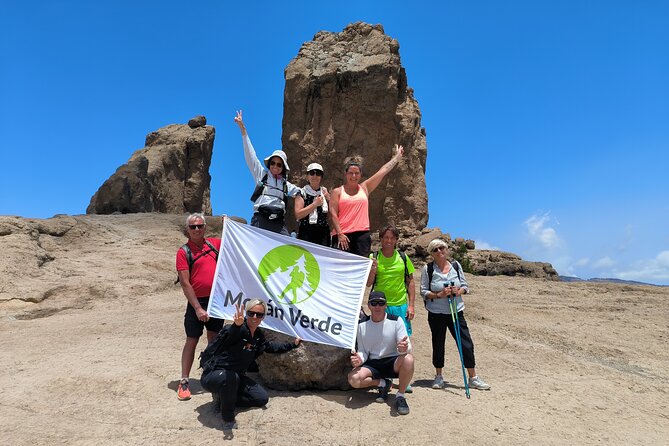
- Three major stops: Roque Nublo, Roque Bentayga, and Mesa de Acusa.
- Pre-Hispanic sacred sites include rock-cut caves, engravings, and cave paintings.
- Small groups of no more than eight make the outing more personal.
- Sofie and Eulalia lead the experience, bringing strong local knowledge and enthusiasm.
- Wednesday departures from October through May, with pickup available and a start around 9 a.m.
Why La Caldera de Tejeda gives this hike its meaning
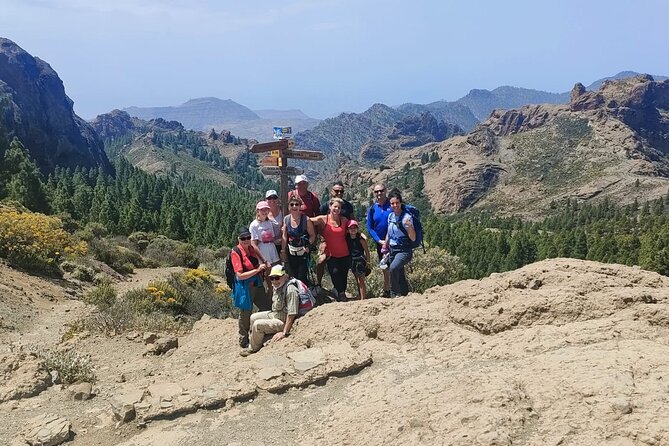
Many mountain walks give you fine views. This one adds a strong sense of place and time. La Caldera de Tejeda is not simply a large hollow surrounded by peaks. It was a sacred centre for Gran Canaria’s indigenous inhabitants, and the rock formations around it still hold traces of their religious life.
That gives the route more weight than a standard photo stop. As you move between the main viewpoints, you are also following a story about how people used the mountains, where they worshipped, and how they shaped caves and shelters from the rock.
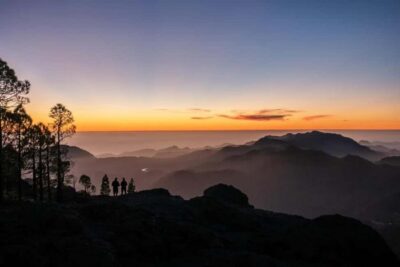
The setting is especially striking because the colours and weather can shift quickly. One moment you may have clear views across the crater, and the next clouds can alter the entire scene. That changing weather is part of the mountain experience, but it also means you should not expect a fixed view from every stop.
The route covers 7 kilometres, which is a manageable distance for many active hikers. The elevation figures matter more than the total kilometres: you will climb 200 metres, then descend 380 metres. A moderate level of fitness is required, and the downhill sections can be just as tiring as the uphill ones.
More Roque Nublo and mountain days:
- Firgas, Tejeda, Guayadeque – VIP Tour Gran Canaria
★ 4.5 · 173 reviews - Arucas, Teror, Viewpoint Roque Nublo – Highlights Gran Canaria
★ 4.5 · 170 reviews - Las Palmas, Botanical Gardens and Bandama Volcano Tour
★ 4.1 · 113 reviews
A small group makes the history easier to follow
The maximum group size is eight people. That is one of the strongest practical features of this outing. A small group allows the guide to speak without shouting, answer questions, and keep the walking rhythm more natural.
Sofie and Eulalia lead the experience. The comments supplied about their guiding point to two qualities that matter on a hike like this: strong subject knowledge and genuine enthusiasm. Sofie is also described as giving clear context about Gran Canaria, rather than treating the walk as a series of scenic stops.
That is useful here because the archaeological details are easy to miss. A cave opening may look like an ordinary dark patch in the cliff until you understand how it was used. Engravings and paintings may not be obvious at first glance. A good guide helps you notice what you would otherwise walk past.
The group size also suits people who prefer a quieter day outdoors. This is not a large coach excursion where you are hurried from one viewpoint to the next. It is a guided walk with time to connect the scenery to the island’s pre-Hispanic past.
Roque Nublo brings the famous mountain views
Roque Nublo is the first listed stop, and it is likely to be the most immediately recognizable part of the day. The great rock formation is one of Gran Canaria’s best-known natural sights, rising from the high country above the Tejeda crater.
The appeal is not only the rock itself. Roque Nublo gives you a strong visual introduction to the scale of the central mountains. From this high setting, the surrounding peaks and folded terrain show why Gran Canaria feels far more varied than its coastal resorts suggest.
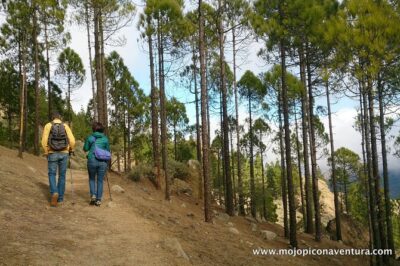
The hike is not described as a technical climb, but you still need to take the physical figures seriously. You will be walking over mountain ground, with changes in height and weather. Solid shoes, water, sun protection, and a light extra layer are sensible choices based on the conditions described for the route.
Roque Nublo can also be the busiest-feeling part of the day simply because it is a major sight. The small group helps, but you should not expect total solitude at a famous viewpoint. The reward is a powerful first stop that puts the island’s interior in full view.
Roque Bentayga adds the human story
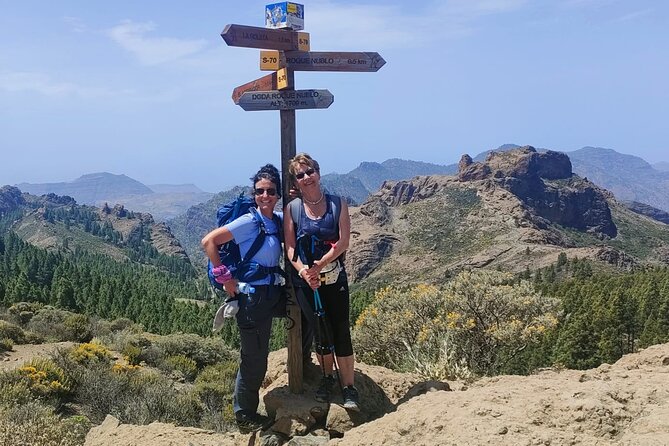
Roque Bentayga gives the outing a different mood. Like Roque Nublo, it is a major rock formation, but here the focus is especially tied to the sacred role of the mountains and the people who lived among them.
The indigenous inhabitants considered this area sacred, and the rock shelters and ceremonial places around the crater help explain why. Instead of seeing the stone formations as scenery alone, you begin to read them as part of an old cultural centre.
This is where a guide’s explanations make a real difference. The route includes information about temples from the pre-Hispanic era, along with caves cut into the rock. Some were decorated with engravings and paintings. The details are not presented as a separate museum visit, so listen carefully while walking and take time to look at the rock surfaces.
Roque Bentayga is also a good point for understanding the route’s balance. You are not spending seven hours on a nonstop trail. The day moves between walking, stopping, looking, and learning. That makes it a better fit for someone who wants cultural context with their outdoor activity.
More Gran Canaria hiking tours:
- The Volcano Heart Tour: Hiking, Tasting and Sunset Experience
★ 5.0 · 1,120 reviews - Full day Hiking Gran Canaria Peaks of Gran Canaria
★ 5.0 · 130 reviews - Gran Canaria: “Magic Waterfalls” Hiking Tour
★ 4.9 · 109 reviews - Roque Nublo: hiking on volcanoes with Sky Rebels
★ 5.0 · 100 reviews
Mesa de Acusa reveals the carved-rock sites
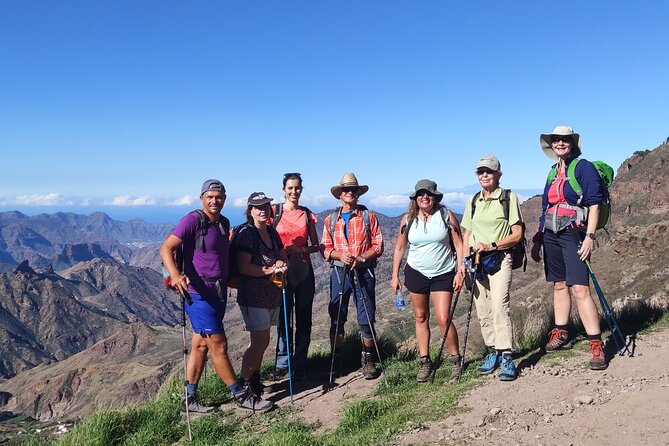
Mesa de Acusa is the third named stop. It adds another layer to the day because the route’s archaeological interest is not limited to one famous peak. The mesa is part of the wider highland setting where rock-cut caves and pre-Hispanic remains can be found.
The caves are one of the most distinctive features of the experience. They were dug into the rock and decorated with engravings and cave paintings. You may find the scale of these sites surprising because they are integrated into the cliffs rather than displayed behind glass or separated from the surrounding terrain.
That setting helps you understand the connection between the people and the mountains. At the same time, you should keep expectations realistic. This is a hiking tour, not a full archaeological excavation or a museum-style presentation. The supplied details do not promise that every cave is accessible or that every painting will be clearly visible.
Mesa de Acusa works best as part of the complete route. By this stage, the large rock formations, crater views, and sacred sites begin to fit together. You are seeing both the natural shape of Gran Canaria and the way earlier communities adapted to it.
What the 7-kilometre route feels like
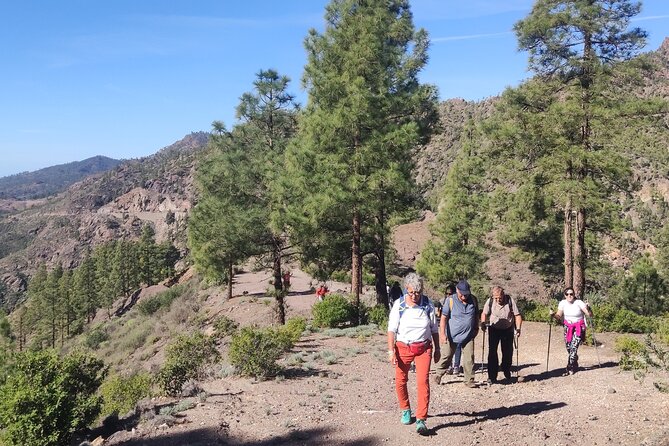
The total distance is moderate, but the route includes a 200-metre ascent and a 380-metre descent. That makes the day active without being an extreme mountain expedition. If you regularly walk on uneven ground and can manage several hours outside, the outing should be within reach.
The descent is worth noting. Some people focus only on the climb when judging a hike, but 380 metres downhill can place more strain on knees and ankles. Walking poles may be useful if you normally use them, though the tour information does not state that equipment is provided.
The seven-hour duration includes the stops and interpretation, not just walking time. That is a positive if you want to understand the places you see. It also means you should not book this expecting a quick morning stroll.
Weather is one of the key variables. The mountain conditions can change rapidly, and the experience requires good weather. Bring layers rather than relying on the forecast from the coast. If poor weather forces a cancellation, you can choose another date or receive a full refund.
The Wednesday schedule affects your planning
This experience runs every Wednesday between October and May. That seasonal schedule is important. It is not a daily option, so you need to build the hike into your Gran Canaria plans well in advance.
The average booking lead time is 34 days. That suggests the limited schedule and small group can make advance planning useful, especially if your holiday dates are fixed. Confirmation is sent within 48 hours of booking, subject to availability.
The start time is around 9 a.m. Pickup is offered, and the exact meeting time is sent to you by message. Since the precise pickup details are not provided in advance, check your messages before the day and make sure the tour operator can reach you.
The Wednesday schedule may be inconvenient if you have only a short stay or a tightly packed beach holiday. On the other hand, a fixed midweek departure can help you reserve one clear day for the mountains rather than trying to fit the outing around changing plans.
Is $107.17 a fair price?
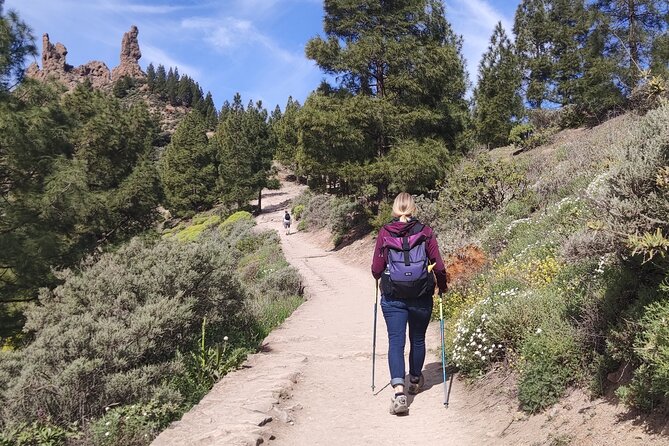
At $107.17 per person, this is not the cheapest way to see Gran Canaria’s interior. The value depends on how much you want from the day.
You are paying for roughly seven hours, a guided mountain route, pickup availability, a maximum group of eight, and interpretation focused on the island’s indigenous past. The small group is especially important. A larger excursion might cost less, but it would not offer the same chance to ask questions or walk with a guide who can explain the sites as you reach them.
The price is easier to justify if you would otherwise need to arrange transport, plan a route, research the sacred sites, and fit three major stops into one day. It is less compelling if you mainly want a short visit to Roque Nublo or prefer to explore independently.
The archaeological angle also adds value. This is not just a mountain outing with a few facts added at the end. The sacred role of La Caldera de Tejeda, the rock-cut caves, and the old engravings are central to the experience.
Who will enjoy this hike most
I would recommend this outing to active visitors who want to see central Gran Canaria beyond the coast. It suits you if you enjoy walking, dramatic mountain scenery, and learning how a place was used before modern tourism.
It is also a good choice if you prefer small groups. With eight people or fewer, the day should feel more personal than a standard sightseeing trip. Sofie and Eulalia’s energy is another reason to choose a guided option, particularly if you value explanation and conversation as much as viewpoints.
This is less suitable for anyone looking for a relaxed drive with very little walking. The 7-kilometre route, ascent, descent, and moderate fitness requirement are clear signals that you need to be prepared for an active day.
It may also not suit you if your Gran Canaria visit falls outside October through May or if Wednesday is impossible. The schedule is narrow, and weather can affect the departure.
Practical preparation for the mountain day
Wear comfortable footwear suited to a 7-kilometre mountain route. The supplied information does not specify the exact trail surface, so do not plan this in casual sandals or smooth-soled shoes.
Carry water and dress in layers. The mountain weather can change rapidly, even if the coast is warm and clear. A jacket that handles wind or light rain is a sensible precaution, though the tour requires good weather and may be canceled when conditions are unsuitable.
Allow the whole day. The activity lasts about seven hours and begins around 9 a.m. Pickup details are sent separately, so keep your phone available and watch for the message with your exact meeting time.
The cancellation terms are straightforward: you can cancel at least 24 hours before the start for a full refund. Changes or cancellations inside that window are not accepted for a refund. Weather or minimum-group cancellations bring the choice of another date or a full refund.
Should you book Hiking in the Sacred Mountains of Gran Canaria?
Book it if you want Gran Canaria’s mountains explained, not just photographed. The combination of Roque Nublo, Roque Bentayga, Mesa de Acusa, and the pre-Hispanic caves gives you a fuller view of the island’s interior.
The strongest reasons to choose it are the maximum group of eight, the seven-hour format, and the guides’ clear enthusiasm for Gran Canaria. The main drawbacks are the Wednesday-only schedule, the need for moderate fitness, and the possibility of changing weather.
For an active visitor who can plan ahead, $107.17 is a reasonable price for a guided day linking major rock formations with sacred sites and indigenous history. If you want a quick scenic stop or cannot commit to a full mountain day, choose a shorter outing instead.
FAQ
Where does the hike take place?
The experience takes place in the sacred mountain area of Gran Canaria, Spain, around La Caldera de Tejeda. The route includes Roque Nublo, Roque Bentayga, and Mesa de Acusa.
How long is the experience?
The activity lasts approximately seven hours.
How far do you walk?
The route covers 7 kilometres. It includes 200 metres of ascent and 380 metres of descent.
How difficult is the hike?
You should have a moderate level of physical fitness. The tour includes both climbing and descending over mountain terrain.
How many people can join the group?
The group has a maximum of eight participants.
When is the experience offered?
It is offered every Wednesday between October and May, with a start time around 9 a.m.
What happens if the weather is poor?
The experience requires good weather. If it is canceled because of poor conditions, you can choose another date or receive a full refund.
Just added around Gran Canaria
- Las Palmas Maspalomas Gran Canaria Salsa Lovers Dance Experience★ 5.0 · 3 reviews
- Escape room “The gratest show on earth” at Holidayworld★ 3.9 · 3 reviews
- Gran Canaria: tasting wine & local cheese★ 4.7 · 3 reviews
- Parasail in Taurito Mogán or Playa del Inglés★ 4.5 · 3 reviews
- Photoshooting at Roque Nublo, Tejeda★ 5.0 · 3 reviews
- E-Bike Family Tour : Sightseeing in Playa Ingles,Maspalomas Dunes★ 5.0 · 3 reviews
- Gran Canaria Private Transfer from Puerto Rico to Las Palmas (LPA) airport★ 4.5 · 3 reviews
- Gastronomic Bike Tour through Las Palmas at Night★ 5.0 · 3 reviews
Gran Canaria Hiking Tours, compared.
The Volcano Heart Tour: Hiking, Tasting and Sunset Experience
Read our review →
Full day Hiking Gran Canaria Peaks of Gran Canaria
Read our review →
Roque Nublo: hiking on volcanoes with Sky Rebels
Read our review →
Sunset Hike and Stargazing Experience in Roque Nublo Mountains
Read our review →
Browse the lists this tour appears in