Reviewed · TOURS
Gran Canaria Tour: Past and Present
Gran Canaria’s best surprise is how quickly the island changes once you leave the beach resorts. This full-day trip moves from pre-Hispanic cave homes in Guayadeque to church squares, farm country, high mountain roads, and the sacred rock of Roque Nublo. It is a useful first look at the island’s past and present, all from one bus.
I like the wide range of scenery and the way the stops connect geography with daily life. I also like having a local guide, with Tom praised for explaining the island’s history, politics, customs, and people in several languages. The trade-off is pace: with many stops and resort pickups, parts of the day can feel rushed and bus-heavy.
In This Review
- Key points to know before booking
- Why this tour gives you a fuller picture of Gran Canaria
- Guayadeque Valley and the old cave homes
- Agüimes and the island before the resorts
- Arucas and the view across banana country
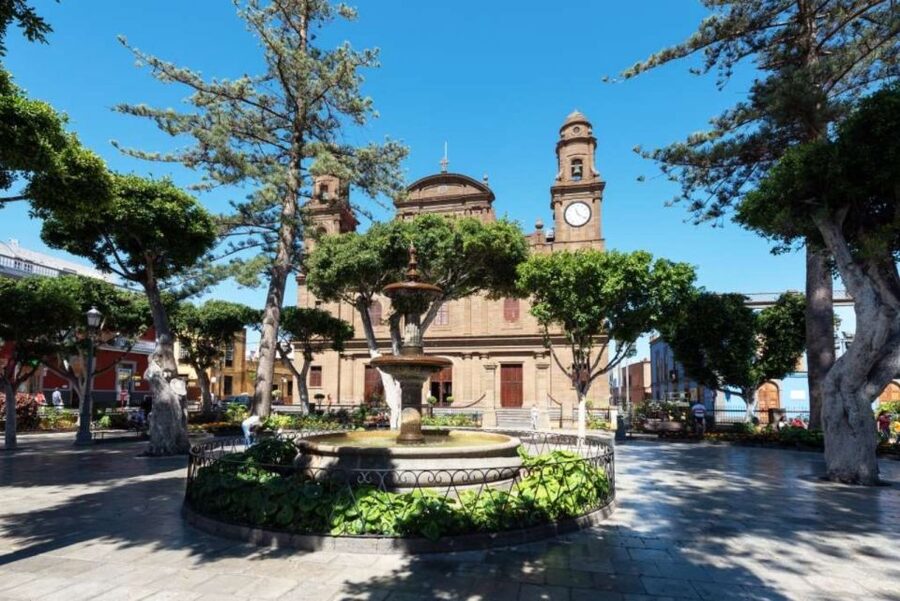
- Teror, the Basilica, and Canarian town life
- The Las Medianías route to Valleseco
- Roque Nublo, a sacred volcanic symbol
- Tunte and the return through Fataga
- What the guide and bus service are like
- The aloe vera farm visit
- What to bring and how to handle the day
- Who should book this Gran Canaria tour?
- Should you book it?
- FAQ
- How long does the Gran Canaria Past and Present tour last?
- What is the price of the tour?
- Where does pickup take place?
- Which languages are available?
- Is lunch included?
- Which main places does the tour visit?
- What should I bring?
- Can I cancel the booking?
Key points to know before booking
- Guayadeque’s cave houses: See a valley where homes were cut into volcanic rock and used since pre-Hispanic times.
- Several village visits: Teror, Valleseco, Agüimes, and Tunte show different sides of inland Gran Canaria.
- Roque Nublo stop: Reach the island’s famous volcanic symbol, once sacred to its original inhabitants.
- More than 200 kilometers by bus: The route gives you a broad view of the island, but much of the day is spent on the road.
- Lunch is on your own: You get free time in Valleseco, with lunch options reported at about $13 to $15 per person.
- Pickup from the south and southwest: Service covers Playa del Inglés, Maspalomas, Costa Meloneras, San Agustín, Bahía Feliz, Taurito, and Puerto Mogán.
Why this tour gives you a fuller picture of Gran Canaria
Many people come to Gran Canaria for the beaches, hotel pools, and warm weather. This trip shows you the island that exists behind the resort strip. The route crosses dry ravines, cultivated hills, mountain villages, and high volcanic country, so you can see why Gran Canaria feels like several islands in one.
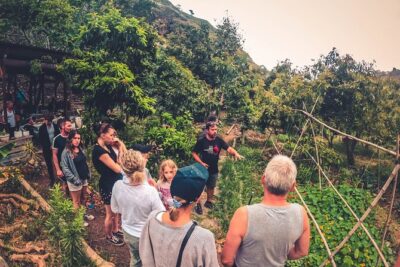
The focus is not just on pretty views. Your guide explains how people lived before Spanish rule, how farming shaped the central highlands, and how old customs continue alongside modern island life. That makes the long bus ride more worthwhile than a simple sightseeing loop.
The tour costs $58 per person and lasts about eight hours. For that price, you get transport, a guide, several major stops, and pickup from a long list of resort areas. You still pay for lunch and drinks, but the overall cost is reasonable if you want to cover a lot of ground without renting a car.
The main question is pace. This is a broad survey, not a slow village walk. You will see many places, but you will not have hours at each one.
Other Gran Canaria days people book alongside this one:
- Poema del Mar Skip-the-Line Ticket
★ 4.8 · 3,856 reviews - Puerto de Mogán: Submarine Tour
★ 4.4 · 3,792 reviews - Maspalomas: Guided Camel Ride in the Maspalomas Sand Dunes
★ 4.4 · 3,690 reviews
Guayadeque Valley and the old cave homes
One of the most meaningful stops is Guayadeque Valley, a protected natural monument shaped by steep volcanic walls. The valley is linked to Gran Canaria’s first inhabitants, and cave dwellings remain part of its identity.
Here, the rock itself explains a great deal. Instead of building every home from separate materials, people made use of the mountain, cutting living spaces into the soft volcanic stone. The result is an unusual mix of natural cave and human home.
You should pay attention to the guide’s explanation here. The value of Guayadeque is not only the view down the valley. It gives you a direct sense of how the island’s aboriginal population adapted to a dry, rugged environment before modern roads and resort towns existed.
This stop may appeal most if you enjoy cultural sites with a strong link to place. If you mainly want long walks or lots of free time, you may find the visit too brief within such a full itinerary.
Agüimes and the island before the resorts
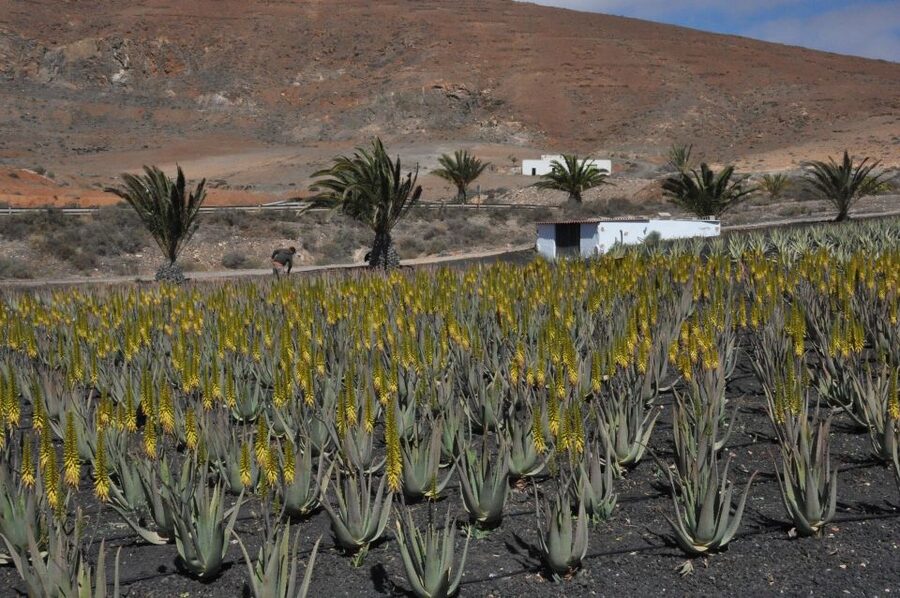
Agüimes adds a town setting to the earlier valley visit. Its connection with an ancient aboriginal settlement makes it an important stop for understanding the island before tourism became a major part of the economy.
The town is included as part of the historical thread, rather than as a long independent walking tour. Your guide helps place it in the larger story of Gran Canaria, linking the early inhabitants with the towns and communities that followed.
I like this kind of sequencing. Guayadeque shows how people used the land for shelter, while Agüimes helps you think about settlement and community. You get more from both places together than from either one in isolation.
Do not expect the same amount of free time at every stop. The day has to keep moving toward the central mountains, and the schedule includes several more visits.
Arucas and the view across banana country

As the bus travels toward the north, you get panoramic views over banana plantations around Arucas. This is a good reminder that Gran Canaria is not only volcanic rock and dry southern beaches. Agriculture remains an important part of the island’s character.
The bus route matters here. You do not need to arrange separate transport between scattered parts of the island, and you can watch the scenery change from your seat. One practical point: your exact view depends on where you sit, but the route offers scenery on both sides of the bus.
This section is mainly about seeing the island from the road. It does not appear to be a long walking stop, so treat it as part of the tour’s moving panorama rather than a stand-alone visit.
Same island, a completely different sort of day:
- Guided tour of the Banana World
★ 5.0 · 3,431 reviews - From Puerto Rico de Gran Canaria: Dolphin Watching Cruise
★ 4.3 · 2,520 reviews - Gran Canaria: Dolphin and Whale Watching Cruise
★ 4.3 · 1,855 reviews - Gran Canaria Guided Buggy Tour
★ 4.7 · 1,743 reviews
Teror, the Basilica, and Canarian town life
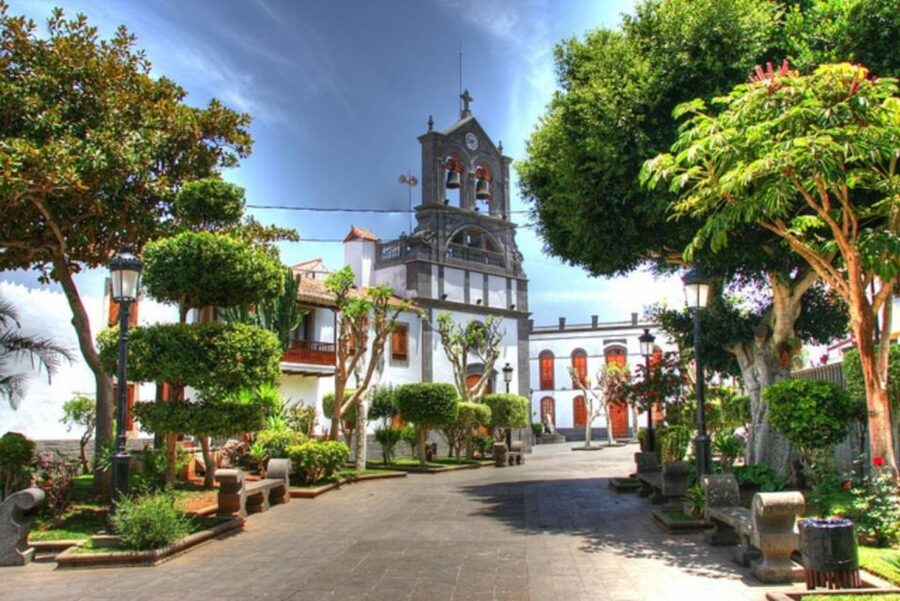
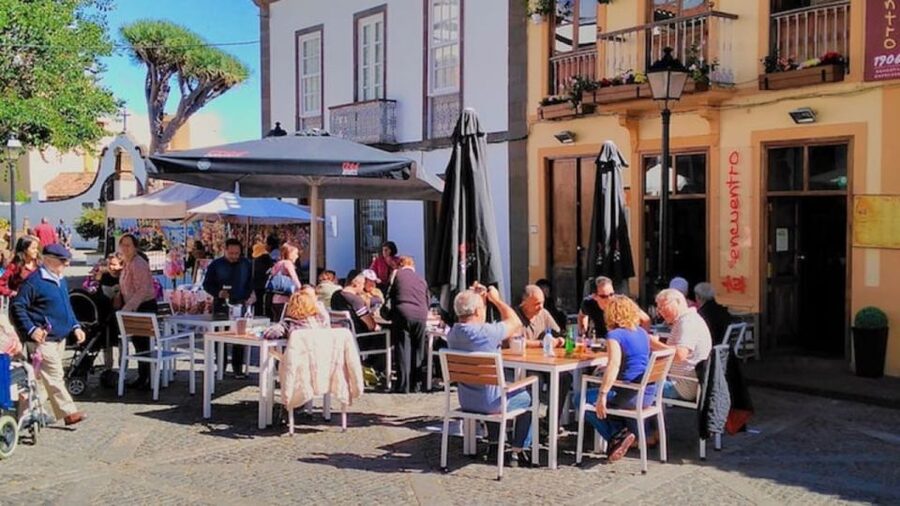
Teror is one of the prettiest stops and one of the places where the day’s cultural side comes into focus. The town is home to the Basilica of Our Lady of the Pine, an important religious site, along with elegant Canarian-style manor houses.
The architecture gives you a change of mood after the open valley. Look for the traditional details in the houses and the way the town gathers around its church. This is the sort of stop where a guide can help you notice more than you would from a quick pass through town.
You should use your free time carefully. One strong piece of practical advice is to favor Teror if you care most about village atmosphere and historic buildings. The planned time here may feel short, and one person specifically preferred a longer stop in Teror instead of as much time for lunch.
That is a fair criticism of the schedule. Teror has enough character to reward a slower visit, but the tour has to keep climbing into the highlands.
The Las Medianías route to Valleseco
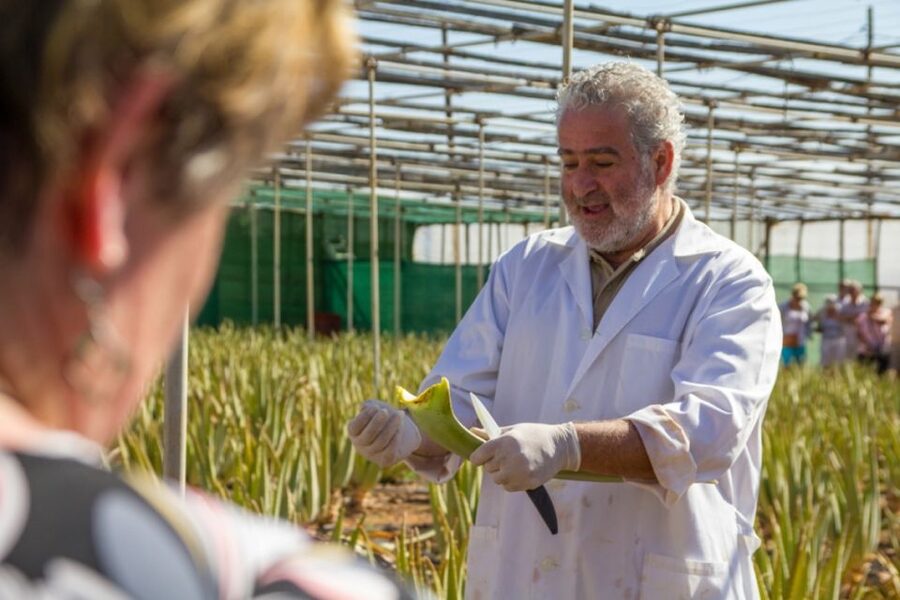
After Teror, the bus crosses Las Medianías, the middle region of Gran Canaria. This is a fertile zone of farms, livestock, and thick plant growth, sitting between the coastal resorts and the higher mountain areas.
The route helps you understand the island’s working side. You see why the central hills matter to local food production and why the inland towns feel so different from the tourist coast. The roads also become more winding, so comfortable clothes and shoes are sensible.
Valleseco is your main chance to pause, stroll, and eat lunch. Food is not included, and the optional meal has been priced at about $13 to $15 per person. That is a fair cost if the menu suits you, though the food quality may not satisfy everyone.
Because lunch takes place during limited free time, you may want to keep your expectations simple. This is not a long restaurant break with many choices. It is a practical stop that lets you stretch your legs and eat before the mountain section continues.
Roque Nublo, a sacred volcanic symbol
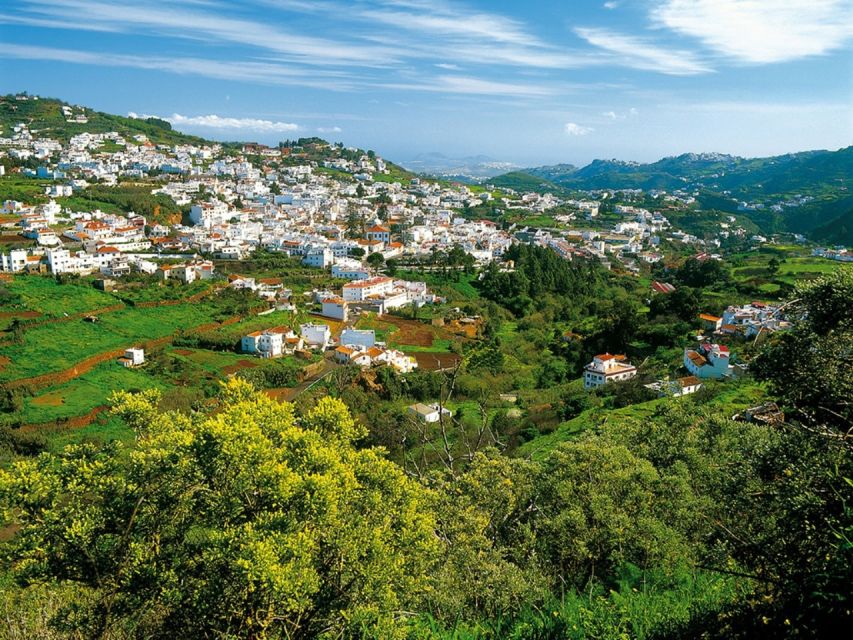
Roque Nublo is the visual high point of the trip. This striking volcanic rock formation is tied to the island’s original inhabitants, who treated it as a sacred place. Today, it is one of Gran Canaria’s best-known symbols.
The stop gives the tour a strong sense of scale. After the villages and cultivated hills, the setting becomes more dramatic and open. You can connect the geology with the earlier cultural story: the same mountains that shaped travel and farming also shaped belief.
The itinerary refers to the Roque Nublo area, so you should not assume this means a long hike to the rock itself. The visit is part of a bus tour with several stops, not a dedicated walking excursion. Bring a windbreaker, since mountain conditions can feel cooler and windier than the coast.
This is one of the places where the guide’s commentary adds real value. Without context, Roque Nublo is an impressive rock. With context, it becomes part of the island’s spiritual and geological story.
Tunte and the return through Fataga
The route also includes Tunte, another inland stop that helps fill out the picture of Gran Canaria’s mountain communities. It is not presented as a long independent visit, but it adds another view of life away from the coast.
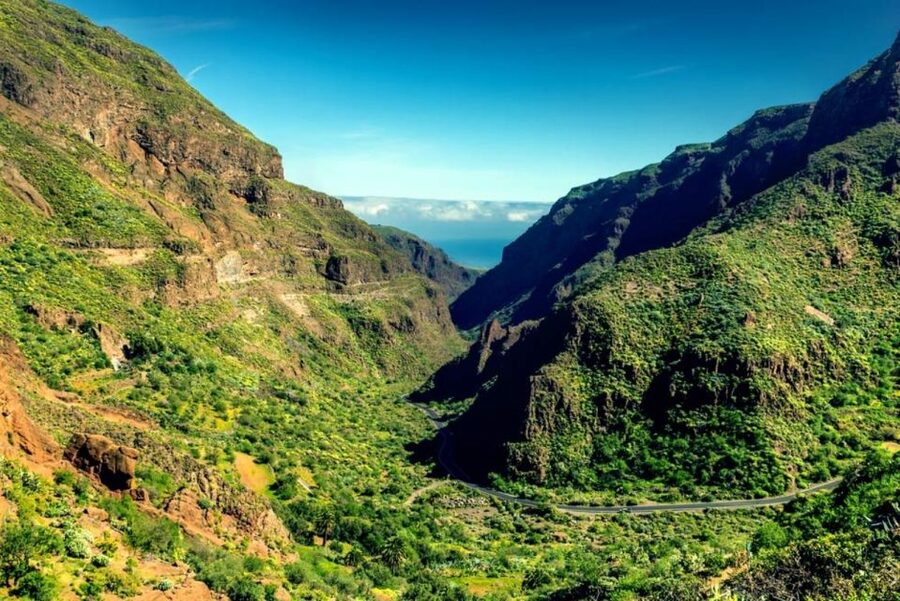
The return passes through Fataga, known here as the Valley of the Thousand Palms. The canyon brings you back through some of the island’s striking dry-country scenery before the tour heads toward the resort areas.
This return route is not wasted time. It shows how quickly the scenery changes again, from the highlands to the southern valleys. Still, remember that you have already had a long day. If you dislike winding roads or extended bus time, the full loop may feel tiring by late afternoon.
What the guide and bus service are like
The tour includes a professional guide in Spanish, English, and German. Tom is specifically named in the feedback, and he is described as friendly, well informed, and able to explain the island for much of the day. His subjects can include history, geography, culture, politics, and local life.
A multilingual tour has both strengths and limits. You get access to the same route even if you do not speak Spanish, but explanations may take longer when the guide switches languages. One poor experience came from a day when the German commentary seemed to receive more attention than the English, making the information hard to follow.
That is worth considering before you book. If you need detailed English commentary at every stop, ask about the language setup when you reserve. The tour is advertised in Spanish, English, and German, but a three-language presentation can feel less even than a single-language tour.
The driver also matters on this route. The bus covers more than 200 kilometers and uses narrow mountain roads. Reports about the driving were strongly positive, which is reassuring on a day with so much road travel.
Pickup is available across the main southern and southwest resort zones. The convenience comes with a cost: collecting and returning people from different areas can add close to three hours to the total day. A scheduled eight-hour tour may therefore finish later than expected, with one reported return close to 7:30 p.m. rather than around 5 or 6 p.m.
The aloe vera farm visit
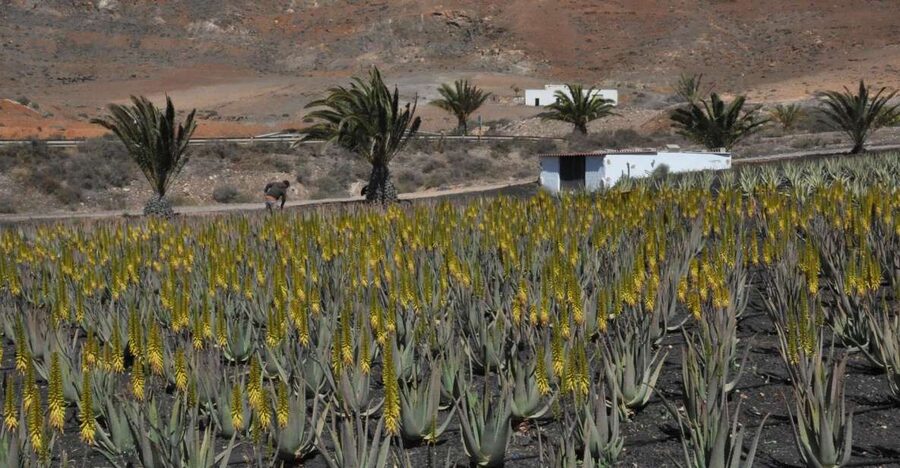
Near the end of the day, you visit an aloe vera estate to learn about the plant’s uses and claimed benefits. This adds a modern commercial and agricultural angle to a tour that began with ancient cave homes.
The stop may be useful if you are curious about local crops and products. It also gives the day a link to present-day Gran Canaria, rather than leaving the story in the past.
Give this visit the right expectation. It is a farm stop included in a sightseeing route, not a major museum or a long nature walk. Like many product-focused stops, its value depends on your interest in aloe vera and local agriculture.
What to bring and how to handle the day
Wear comfortable shoes and clothes. You are not signing up for a full hiking tour, but you will move between bus, village streets, viewpoints, and mountain areas.
A windbreaker is a smart addition. The coast may be warm when you leave, while the higher route around Roque Nublo can feel cooler and windier.
I would also bring water and a little patience for the road. Drinks are not included, and lunch is your responsibility. Since the schedule is full, avoid spending too long at one food stop if you want time to enjoy Valleseco.
Pickup details arrive 24 to 48 hours before the tour. Free cancellation is available until 24 hours before departure, and you can reserve now and pay later, which helps if your island plans are still changing.
Who should book this Gran Canaria tour?
I would choose this tour if you want one efficient day covering history, villages, farming country, mountain views, and major cultural sights. It is especially useful early in a Gran Canaria stay, when you want to understand the island’s shape before deciding where to return on your own.
You will probably enjoy it if you like guided context and do not mind seeing many places in one day. The route offers far more variety than a beach-based excursion, and the $58 price is fair for the transport and coverage.
I would hesitate if you prefer slow travel, long meals, or extended walks at each stop. You may also want to skip it if multilingual commentary would frustrate you or if a long bus day sounds tiring.
Should you book it?
Book this tour if your priority is breadth and context. For $58, you can cross much of Gran Canaria, see Guayadeque’s cave homes, visit Teror and Valleseco, reach the Roque Nublo area, pass through Fataga, and hear how the island developed from aboriginal settlements to modern communities.
Skip it if you want a relaxed day centered on one village or one mountain site. The itinerary is ambitious, and the pickup route can stretch the day. For the right person, though, it is a practical and engaging introduction to the island beyond the resorts.
FAQ
How long does the Gran Canaria Past and Present tour last?
The tour duration is listed as 8 hours. Pickup and drop-off across different resort areas can make the overall day longer.
What is the price of the tour?
The listed price is $58 per person. Lunch and drinks are not included.
Where does pickup take place?
Pickup is offered from Playa del Inglés, Maspalomas, Costa Meloneras, San Agustín, Bahía Feliz, Taurito, and Puerto Mogán.
Which languages are available?
The live guide service is available in Spanish, English, and German.
Is lunch included?
No. You have free time in Valleseco to explore and buy lunch on your own.
Which main places does the tour visit?
The tour includes Guayadeque and its cave houses, Teror, the Roque Nublo area, Tunte, Valleseco, and an aloe vera estate. The route also passes through Agüimes, Arucas, and Fataga.
What should I bring?
Bring comfortable shoes, comfortable clothes, and a windbreaker.
Can I cancel the booking?
You can cancel up to 24 hours before the tour for a full refund. Reserve now and pay later is also available.
Just added around Gran Canaria
- Escape room “The gratest show on earth” at Holidayworld★ 3.9 · 3 reviews
- Gran Canaria: tasting wine & local cheese★ 4.7 · 3 reviews
- Las Palmas Maspalomas Gran Canaria Salsa Lovers Dance Experience★ 5.0 · 3 reviews
- Photoshooting at Roque Nublo, Tejeda★ 5.0 · 3 reviews
- Parasail in Taurito Mogán or Playa del Inglés★ 4.5 · 3 reviews
- Gran Canaria Private Transfer from Puerto Rico to Las Palmas (LPA) airport★ 4.5 · 3 reviews
- Gastronomic Bike Tour through Las Palmas at Night★ 5.0 · 3 reviews
- E-Bike Family Tour : Sightseeing in Playa Ingles,Maspalomas Dunes★ 5.0 · 3 reviews
Tours, compared.

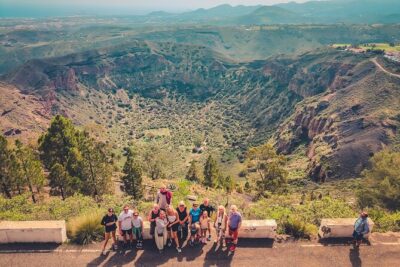
The Volcano Heart Tour: Hiking, Tasting and Sunset Experience
Read our review →
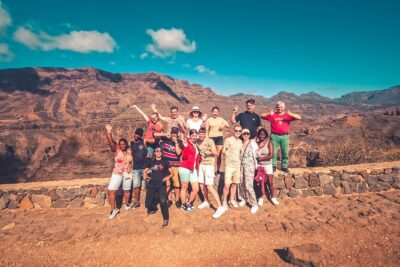
The Red Canyon Tour – Small Group Trip with Local Food Tasting ツ
Read our review →