
Reviewed · GRAN CANARIA WINE TASTINGS
Gran Canaria: Winery Tour, Wine Museum, and Tasting
Gran Canaria’s wine story comes alive at Bodega San Juan, a family winery dating to 1912. You walk through organic vineyards, see a 100-year-old stone lagar, and enter a cellar where wine still rests in wooden casks. The small wine museum adds real character, showing how island wine making changed from handwork to modern production.
I like the family connection, especially when Maria guides the visit with stories, old photographs, and a relaxed sense of humor. I also like the tasting: two wines with Gran Canaria cheese, toasted bread, and olives, served in the estate’s pleasant garden or tasting area. The main drawback is transport. Hotel pickup is not included, and finding the winery can take planning, especially if you rely on buses.
In This Review
- Key points to know before you book
- Why this winery visit feels different
- Meeting the family story at Bodega San Juan
- Walking among organic vines and volcanic soil
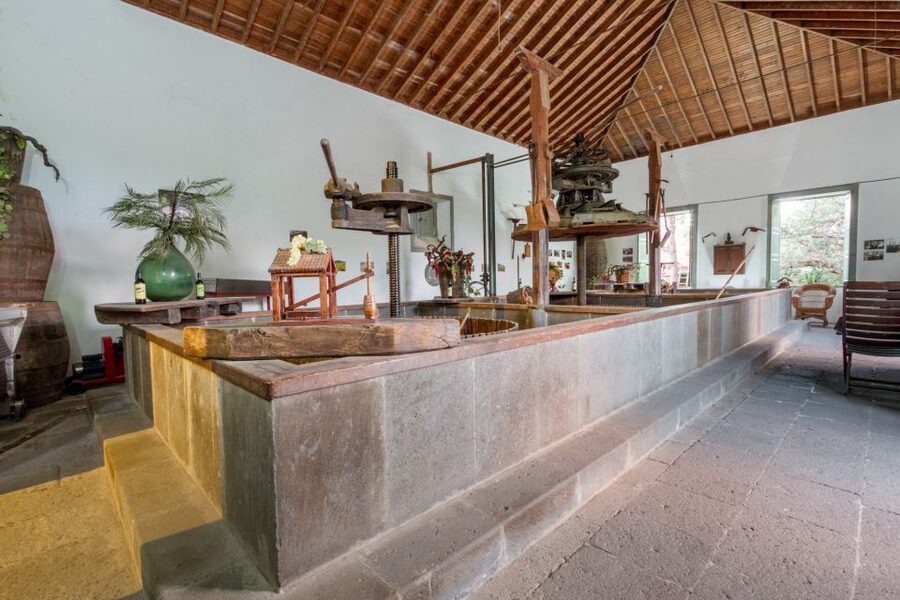
- The stone lagar and the old wine museum
- Entering the cellar and comparing old with new
- Two wines with Gran Canaria cheese and bread
- Is $34 good value for 90 minutes?
- Who will enjoy this Gran Canaria tour?
- Timing, transport, and small practical details
- My call: book it for the setting and story
- FAQ
- Where does the winery tour meet?
- How long does the experience last?
- How much does the tour cost?
- Is hotel pickup included?
- What language is the tour offered in?
- How many wines are included?
- What food is served with the wine?
- Does the tour include a vineyard visit?
- What historic features can I see?
- Does the tour run in bad weather?
Key points to know before you book
- A five-generation winery: Bodega San Juan has been in the family since 1912, giving the tour a personal link to Gran Canaria’s wine past.
- A rare museum stop: The small wine museum is described as the only wine museum on Gran Canaria.
- Organic vineyard walk: You learn about local grape varieties, volcanic soil, sun, and the daily work needed to protect the crop.
- Old and new side by side: Stone lagares and old machinery are compared with the winery’s modern production area.
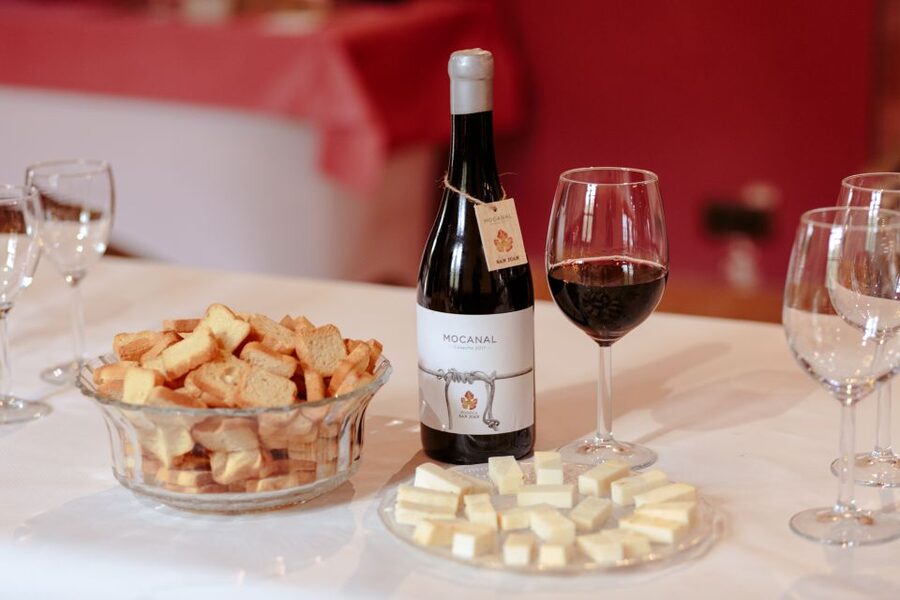
- A generous finish: Two wines come with cheese, toast, and olives rather than a token sip at the end.
- Good value at $34: The 1.5-hour visit combines a farm tour, museum, cellar, and tasting without hotel transport.
Why this winery visit feels different
Gran Canaria is better known for beaches, resort towns, and volcanic scenery than for wine. That is exactly why this outing makes a useful change of pace. You get a look at a working agricultural property and a family business that has adapted over five generations without losing its older tools and traditions.
The visit is not just a tasting at a counter. You begin with the estate itself, then move through the vineyard, museum, cellar, and newer production space. That order helps you understand the wine before you drink it. By the time the glasses arrive, you have seen the soil, the vines, the machinery, and the family story behind the bottle.
At 1.5 hours, the tour is easy to fit into a day on Gran Canaria. It is long enough to feel like a proper visit, but short enough to pair with another nearby stop. I would not book it expecting a full afternoon of extensive tastings or a large meal. This is a compact introduction to island wine, with the setting and history doing much of the work.
More Gran Canaria wine tastings:
- Guided Tour at Ron Arehucas Distillery
★ 4.5 · 192 reviews - Banana Museum, Rum Distillery & Winery with Tasting: Premium tour
★ 4.5 · 62 reviews - 1h Boat Trip + 2h Dockside Local Wine & Food Tasting
★ 5.0 · 36 reviews
Meeting the family story at Bodega San Juan
You meet at Bodega San Juan, Finca El Mocanal. The estate’s family background is one of the strongest parts of the experience. Old photographs help explain how the property developed and how the family kept its ownership and traditions over the years.
The date, 1912, matters here. It gives the tour a clear sense of time without requiring a long lecture. You are looking at a place that has continued across generations, not a new attraction designed only for wine tourism.
Maria receives especially strong praise for her friendly, humorous approach and clear English. She has also handled groups with different language needs, switching between languages so people can follow along. That makes a difference on a short tour, since a rushed or unclear explanation would leave you with little more than a few photographs and a glass of wine.
One practical note: the meeting point needs care. Hotel pickup and drop-off are not included, and one booking experience involved unclear directions about exactly where the tour began. Put Bodega San Juan, Finca El Mocanal into your plans before leaving, and allow extra time to reach the estate.
Walking among organic vines and volcanic soil
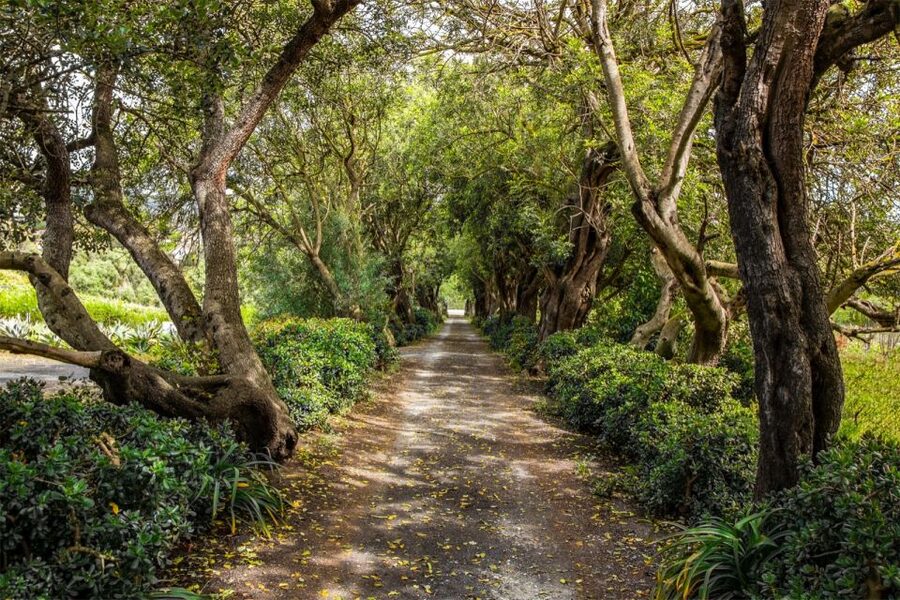
The vineyard section gives the tour its sense of place. You stroll among the vines and learn about endemic grape varieties, the island’s sun, and the volcanic soil that supports the crop. The guide also explains the work needed to keep the grapes in good condition before harvest.
This is useful even if you are not a serious wine drinker. Wine often makes more sense when you understand the conditions behind it. Here, the point is not simply that the grapes grow on an island. You see how climate, soil, and careful crop work shape what eventually reaches the bottle.
The vineyard also gives you some of the best photo chances. Rolling rows of vines, old buildings, and garden areas provide more visual interest than a standard indoor tasting room. If you enjoy taking pictures, keep your phone ready from the start rather than waiting for the final tasting.
The tour takes place rain or shine, so your comfort depends on the weather. The supplied information does not promise shade or indoor alternatives for every part of the route. Check the forecast and dress for a short walk outside.
The stone lagar and the old wine museum
A highlight is the 100-year-old stone lagar. This is where grapes were once trodden by foot, a simple image that makes the older production method easy to understand. It is not a polished display created for effect. It is a physical piece of the winery’s working past.
The wine museum continues that story with old machinery and equipment. It is a small museum, not a large national collection, but that scale suits the estate. You can connect the tools to the family story and then compare them with what the winery uses now.
The museum is described as the only wine museum in Gran Canaria, which gives it added interest for anyone looking beyond the usual island attractions. I would keep expectations sensible: this is a compact part of a larger tour rather than a separate, multi-hour museum visit.
The best question to ask here is how each old tool was used. The guide’s explanations turn objects that might otherwise look like farm clutter into evidence of changing work practices. That human detail is more valuable than a long list of dates.
More museums and sites in Gran Canaria:
- Winery Tour, Wine Museum, and Tasting in Gran Canaria
★ 5.0 · 35 reviews
Entering the cellar and comparing old with new
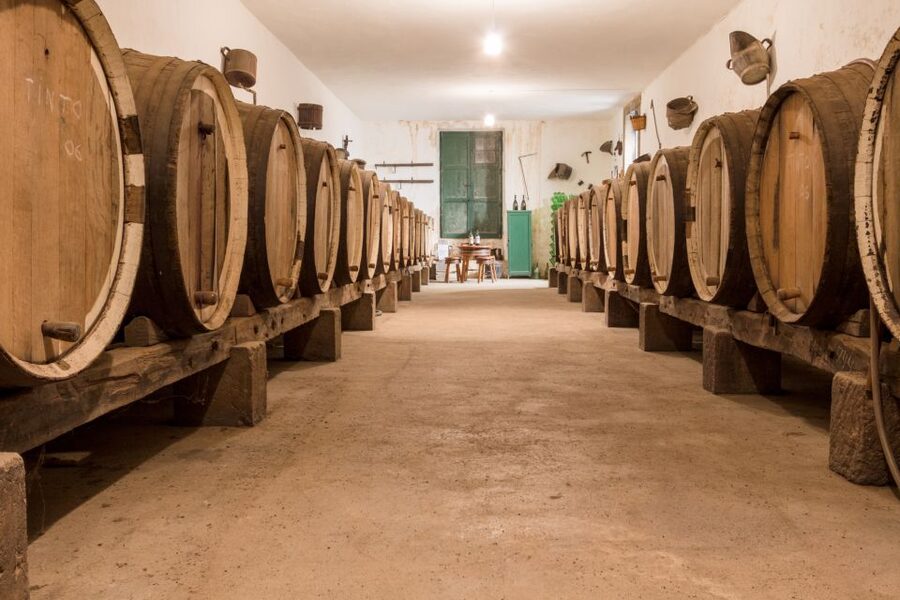
The cellar changes the mood of the tour. You can smell wine fermenting in wooden casks as you enter, and that aroma makes the process feel immediate. Wine is no longer just a finished product in a glass. You are close to the stage where it is still developing.
After the older cellar, you see the modern facility. The contrast is one of the clearest teaching points of the visit. The winery has not simply preserved old methods for display. It has also adopted newer production equipment while keeping links to the property’s past.
You learn how the wine moves from grape to bottle and how organic production depends on care throughout the process. The tour does not present organic wine as a magic label. Instead, it connects the claim to the work of maintaining the crop and handling production.
For wine lovers, this part may be the most rewarding. You get enough process information to make the tasting more meaningful, but the visit remains accessible if you know little about wine. Maria’s role is important here, since a good guide can explain fermentation and production without turning the tour into a technical class.
Two wines with Gran Canaria cheese and bread
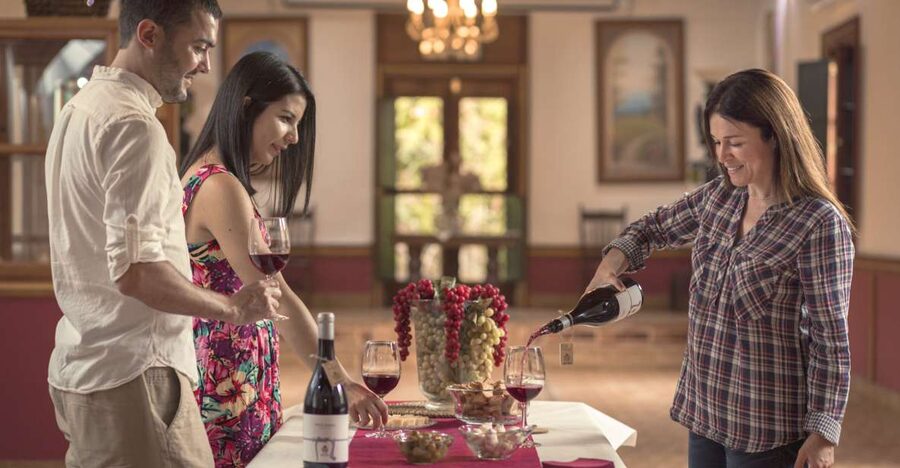
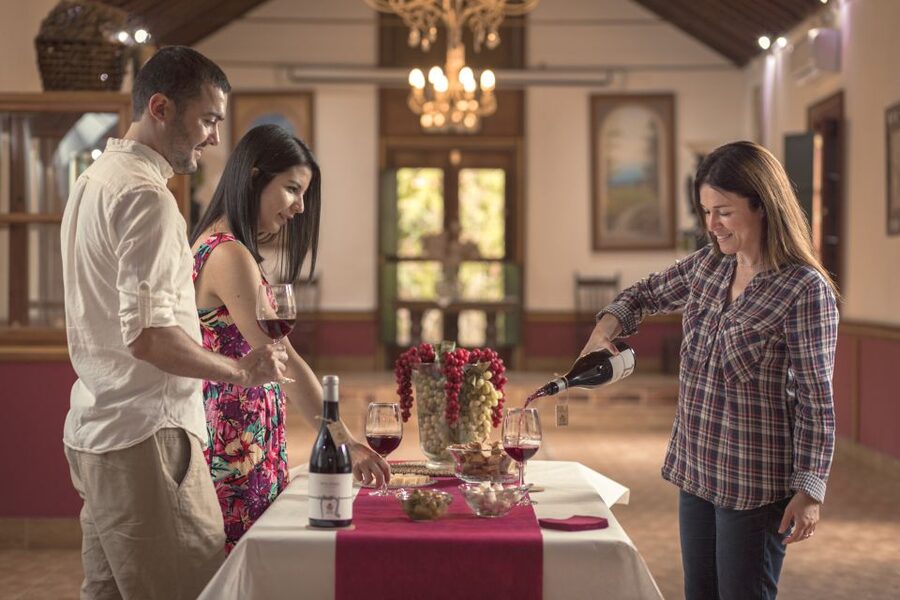
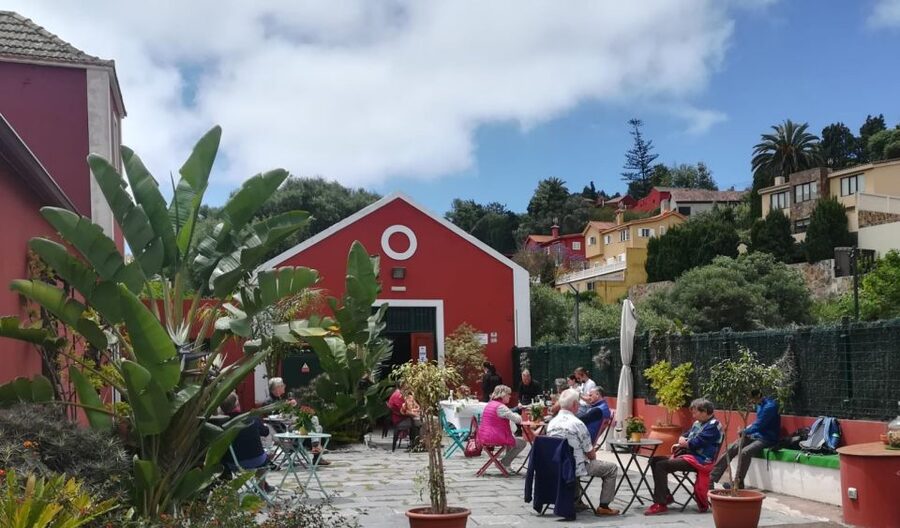
The tour ends with two wines in the tasting area. The wines are served with Gran Canaria cheese, toasted bread, and olives. That is a better finish than a few unaccompanied samples, since the food lets you compare how the wine works with local flavors.
Some tastings feel like sales pitches. This one is described in more relaxed terms, with the estate’s garden providing a calm setting in which to sit and enjoy the final part of the visit. Butterflies in the garden have added to the atmosphere for some visitors, though I would treat that as a pleasant possibility rather than a guaranteed feature.
The wine itself receives the strongest praise in the available feedback. Several people found it good enough to buy bottles to take home. One visitor was disappointed that the winery’s own red wine was unavailable for purchase, so stock may vary. If you find a wine you like, ask about buying it before you leave.
The winery’s bottles may not be available for export, making the tasting and any on-site purchase more important for wine fans who want to remember the experience. The supplied information does not promise shipping or international delivery, so do not assume you can order the same bottle later.
Is $34 good value for 90 minutes?
At $34 per person, I consider this a strong-value outing if you want more than a basic wine tasting. The price covers the farm and vineyard visit, guided explanations, wine museum, cellar, modern production area, and two wines with cheese, toast, and olives.
The value comes from the variety. You are not paying for two pours alone. You are paying for access to a family estate and for the guide’s explanation of how the property works. The old equipment and family photographs add substance that a newer commercial tasting room may not have.
The limitation is the short duration. Ninety minutes gives you a well-shaped introduction, not a long food-and-wine experience. You should not expect a full lunch, many wine samples, or a broad technical seminar at this price and length.
Transport also affects the real cost. Since there is no hotel pickup or drop-off, you need to arrange your own way to Finca El Mocanal. Bus access is possible but has been described as a little complicated, though manageable. If you are driving, use the exact winery name and meeting point rather than relying on a vague area description.
Who will enjoy this Gran Canaria tour?
I would recommend it to wine drinkers, couples, families with older children, and anyone who wants a quieter activity away from the resort strip. The garden, photographs, old buildings, and vineyard offer enough variety for a person who is interested in culture and farming but not obsessed with wine.
It also suits a birthday or small celebration. The relaxed tasting gives the visit a pleasant finish, and the setting offers good photo opportunities. The compact timing works well for a morning or afternoon plan.
You do not need previous wine knowledge. The tour covers the basics from grape to bottle, and the guide’s clear explanations make the process approachable. If you already visit wineries often, the family ownership, island grape varieties, volcanic soil, and old lagar are the features most likely to make this one worthwhile.
I would think twice if you want a large-scale winery with many labels, a full meal, or guaranteed access to a particular bottle. The estate is small and family-run, and stock can vary. That intimacy is part of its appeal, but it also means the experience is less predictable than a major commercial operation.
Timing, transport, and small practical details
The listed duration is 1.5 hours, with starting times depending on availability. That makes it easy to fit into a wider Gran Canaria schedule, but you should not arrive at the last minute. One booking had trouble locating the start point, and another group reached the tour late after an accident on the GC-1.
The winery was able to move that delayed booking to a later tour, which suggests some flexibility may be possible. Still, I would contact the provider rather than assume a late arrival will be accommodated. The meeting point is Bodega San Juan, Finca El Mocanal, and there is no included transfer from your hotel.
The host or greeter language is English, and the activity information lists English as the available language. Maria has also guided mixed-language groups, but you should confirm your needs when booking if language is important to you.
The tour runs rain or shine. Since part of it takes place in the vineyard, bring sensible footwear and be ready for outdoor conditions. The information does not list accessibility details, so ask the provider directly if you need specific arrangements.
Free cancellation is available up to 24 hours before the tour for a full refund. You can also reserve and pay later, which helps if your Gran Canaria plans depend on weather or transport.
My call: book it for the setting and story
I would book this tour if I wanted a personal look at Gran Canaria’s wine culture rather than a polished tasting-room performance. The five-generation family connection, 1912 origins, old stone lagar, museum, cellar aromas, and garden tasting give the visit a clear identity.
The guide can shape the experience, and Maria has been especially effective at making the history friendly and easy to follow. The food pairing is simple but well chosen, and the $34 price is fair for the amount included.
Book it if you can reach Finca El Mocanal without stress and if a 90-minute visit fits your day. Skip it if you need hotel transport, a substantial meal, or a wide selection of wines. For most people who enjoy local food, old buildings, and a good glass of wine, this is one of Gran Canaria’s more rewarding short excursions.
FAQ
Where does the winery tour meet?
The meeting point is Bodega San Juan at Finca El Mocanal.
How long does the experience last?
The tour lasts 1.5 hours.
How much does the tour cost?
The listed price is $34 per person.
Is hotel pickup included?
No. Hotel pickup and drop-off are not included.
What language is the tour offered in?
The activity is offered in English, and the host or greeter language is English.
How many wines are included?
The tasting includes two wines.
What food is served with the wine?
The tasting includes Gran Canaria cheese, toasted bread, and olives.
Does the tour include a vineyard visit?
Yes. The experience includes a farm tour and a walk through the organic vineyards.
What historic features can I see?
You can see family photographs, a 100-year-old stone lagar, old wine-making machinery, and the historic wine cellar.
Does the tour run in bad weather?
Yes. The tour takes place rain or shine.
Just added around Gran Canaria
- Las Palmas Maspalomas Gran Canaria Salsa Lovers Dance Experience★ 5.0 · 3 reviews
- Escape room “The gratest show on earth” at Holidayworld★ 3.9 · 3 reviews
- Gran Canaria: tasting wine & local cheese★ 4.7 · 3 reviews
- Parasail in Taurito Mogán or Playa del Inglés★ 4.5 · 3 reviews
- Photoshooting at Roque Nublo, Tejeda★ 5.0 · 3 reviews
- E-Bike Family Tour : Sightseeing in Playa Ingles,Maspalomas Dunes★ 5.0 · 3 reviews
- Gran Canaria Private Transfer from Puerto Rico to Las Palmas (LPA) airport★ 4.5 · 3 reviews
- Gastronomic Bike Tour through Las Palmas at Night★ 5.0 · 3 reviews
Gran Canaria Wine Tastings, compared.
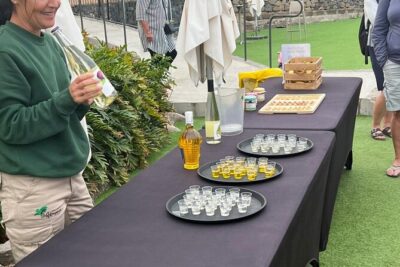
Banana Museum, Rum Distillery & Winery with Tasting: Premium tour
Read our review →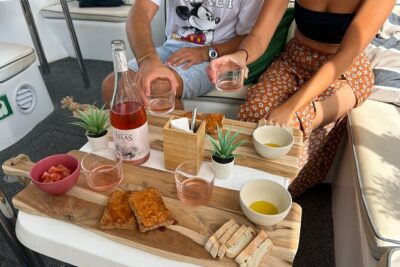
1h Boat Trip + 2h Dockside Local Wine & Food Tasting
Read our review →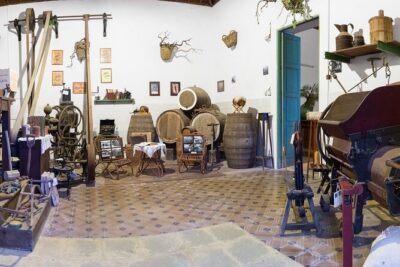
Winery Tour, Wine Museum, and Tasting in Gran Canaria
Read our review →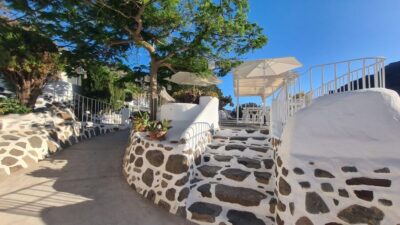
Gran Canaria Premium Tour: Volcanoes and Wine for cruisers
Read our review →Browse the lists this tour appears in